

Natural vs. Lab-Grown Diamonds: 2025 Singapore Price Guide
The diamond market in Singapore has changed dramatically in recent years, and 2025 will be a significant turning point. The popularity of lab-grown diamonds, sometimes referred to as man-made diamonds, has changed consumer behaviour, particularly among younger couples seeking affordability, sustainability, and modern design freedom.
Rise of Man-Made Diamonds in Singapore
More Singaporeans now choose lab-grown diamonds for engagement rings, wedding jewellery, and milestone gifts. There are 3 main reasons:
- Significantly lower prices
- High chemical purity
- Full traceability and ethical origins
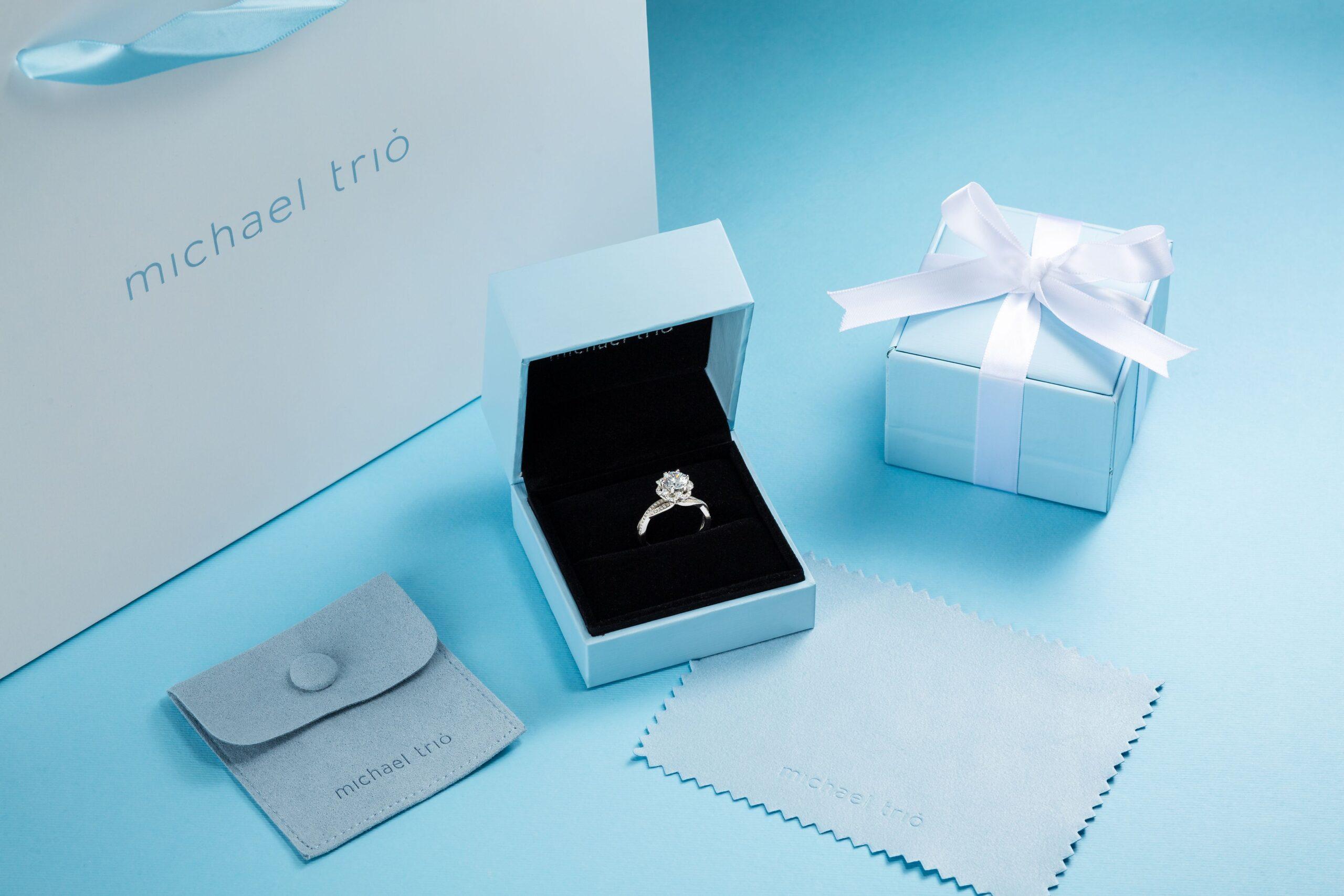
Jewellery brands like Michael Trio have expanded their lab-grown collections to meet this growing demand.
Consumer Shift in 2025
Today’s buyers prioritise transparency, environmental responsibility, and customisation. With the cost of living rising, couples are also more conscious about getting maximum sparkle for their budget. Lab-grown diamonds fit these priorities perfectly, while natural diamonds remain attractive to buyers who value geological rarity and long-term emotional significance.
Why Comparing Both Matters
Since both diamond types have real value but different strengths, comparing them side-by-side helps Singaporean buyers understand:
- What suits their budget
- What offers better long-term value
- Which aligns with their lifestyle and ethics
This guide breaks down the differences clearly, especially in terms of 2025 Singapore pricing.
What is Lab-Grown Diamonds?
Lab-grown diamonds are real diamonds created in high-tech facilities using controlled conditions that replicate natural diamond growth. They are similar to mined diamonds in terms of chemistry, physical characteristics, and optics.
How They Are Created
Two advanced processes are used:
1. HPHT (High Pressure High Temperature)
This mimics the Earth’s natural formation by using:
- Extremely high pressure
- Very high temperatures
- A diamond seed that crystallises layer by layer
HPHT diamonds often show a slightly different growth pattern under magnification.
2. CVD (Chemical Vapour Deposition)
A modern, more efficient method:
- Carbon-rich gas breaks down
- Carbon atoms attach to a diamond seed
- Diamond grows upward in thin layers
CVD diamonds tend to have cleaner inclusions and consistent quality.
Are Lab-Grown Diamonds Real Diamonds?
Yes. They are 100% real diamonds with:
- Same hardness
- Same sparkle
- Same elemental carbon structure
The difference lies only in the origin—not the material or quality. This is why global labs such as IGI and GIA certify them.

What Are Natural Diamonds?
Formation-
Natural diamonds form over 1–3 billion years deep beneath the Earth’s mantle under intense heat and pressure. They are eventually mined after being brought closer to the surface by volcanic explosions.
Mining & Rarity-
Natural diamonds are limited by geological supply. This rarity—combined with complex mining, sorting, and global distribution—makes them more expensive than lab-grown diamonds.
Environmental Impact-
Diamond mining requires:
- Large amounts of land
- Heavy machinery
- Water and energy resources
Although many mines follow ethical and environmental standards today, the footprint remains larger than lab-grown production. This makes natural diamonds appealing to those who value geological uniqueness, but less appealing to eco-conscious consumers.
Natural and Lab-Grown Diamonds: Important Distinctions
1. Appearance
To the naked eye, both look identical.
Only trained gemologists using microscopes can distinguish them by examining inclusions or growth lines.
2. Durability
Both are equally durable at 10 on the Mohs hardness scale. They resist scratching, chipping, and everyday wear.
3. Chemical Purity
Lab-grown diamonds often exhibit:
- Higher chemical purity
- Fewer nitrogen impurities
- More consistency
Natural diamonds or man-made diamonds typically contain organic inclusions formed over millions of years.
4. GIA / IGI Grading Differences
- GIA grades both natural and lab-grown diamonds but is more commonly associated with natural stones.
- IGI is widely used for lab-grown diamonds due to fast, consistent grading.
- Both certificates include:
- 4Cs grading
- Clarity characteristics
- Laser inscription
- Origin identification (lab-grown or natural)

Price Comparison in Singapore for 2025
Below is the latest price guide for natural diamonds vs lab-grown diamonds in Singapore. Prices vary depending on cut, polish, fluorescence, and certification, but the ranges below reflect typical averages from reputable jewellers such as Michael Trio.
0.3-Carat Comparison
| Diamond Type | Price Range (SGD) | Notes |
|---|---|---|
| Lab-Grown | $350 – $550 | Ideal for daily wear or petite engagement rings |
| Natural | $850 – $1,300 | Higher due to rarity and mining cost |
0.5-Carat Comparison
| Diamond Type | Price Range (SGD) | Notes |
|---|---|---|
| Lab-Grown | $600 – $1,000 | Popular for modern minimalist rings |
| Natural | $1,800 – $3,000 | Traditionally the most purchased size |
1.0-Carat Comparison
| Diamond Type | Price Range (SGD) | Notes |
|---|---|---|
| Lab-Grown | $1,300 – $2,200 | Offers maximum sparkle per dollar |
| Natural | $5,000 – $8,000 | Significant price jump due to scarcity |
1.5-Carat Comparison
| Diamond Type | Price Range (SGD) | Notes |
|---|---|---|
| Lab-Grown | $2,400 – $4,000 | Highly popular for custom halo and hidden halo designs |
| Natural | $10,000 – $17,000 | Premium size with strong rarity value |
Side-by-Side Summary Table (2025)
| Carat Size | Lab-Grown Price (SGD) | Natural Price (SGD) | Price Difference |
|---|---|---|---|
| 0.3ct | $350 – $550 | $850 – $1,300 | ~60–70% cheaper |
| 0.5ct | $600 – $1,000 | $1,800 – $3,000 | ~65% cheaper |
| 1.0ct | $1,300 – $2,200 | $5,000 – $8,000 | ~70% cheaper |
| 1.5ct | $2,400 – $4,000 | $10,000 – $17,000 | ~75% cheaper |
Pros & Cons of Lab-Grown Diamonds
Lab-grown diamonds are chemically and optically identical to natural diamonds, yet they come with unique benefits and considerations.
Pros
1. Affordability
Lab-grown diamonds offer exceptional value. For the same budget, you can often upgrade:
- From 0.5ct to 1ct
- From K colour to G colour
- From SI clarity to VS clarity
This makes lab-grown diamonds ideal for couples wanting a larger, more brilliant stone without exceeding their budget.
2. Sustainability
Lab-grown diamonds appeal strongly to eco-conscious buyers. They require:
- No mining
- Less land disruption
- Traceable production
Their smaller environmental footprint has made lab-grown diamonds a trend among modern, sustainability-focused consumers in Singapore.
Cons
1. Long-Term Value
Lab-grown diamonds depreciate faster due to increasing supply. They hold sentimental value but not the same long-term financial resilience as natural diamonds.
2. Resale
Resale markets for lab-grown diamonds are still developing. Most jewellers in Singapore offer limited buyback options, so these diamonds are best for buyers focused on beauty rather than investment.
Pros & Cons of Natural Diamonds
Many buyers still prefer Natural Diamonds Singapore because of their heritage and enduring symbolism.
Pros
1. Rarity
Natural diamonds formed over billions of years. Their scarcity is a core part of their value. Each stone carries natural inclusions and growth structures that make it one-of-a-kind.
2. Tradition & Symbolism
Natural diamonds remain:
- The classic choice for proposals
- Highly regarded by older generations
- A symbol of timeless luxury and romance
For many, the emotional significance of a natural diamond outweighs its higher cost.
Cons
1. Higher Cost
Natural diamonds cost significantly more—especially in the 1.0ct and 1.5ct ranges. Buyers who want a large centre stone on a budget may find natural diamonds limiting.
2. Sustainability Debates
While modern mining operations are more regulated, natural diamond extraction still raises concerns around:
- Environmental impact
- Energy usage
- Ethical sourcing
Reputable retailers in Singapore now prioritise conflict-free and responsibly sourced stones, but the debates remain part of the consideration process.
Which Should You Choose? (Based on Budget & Preference)
Your choice between natural and lab-grown diamonds should align with your priorities, lifestyle, and budget. Here are realistic scenarios to guide you:
1. For Proposals
If you want:
- A classic, sentimental, heirloom-style ring → Choose Natural
- A larger, sparkling stone that makes a statement → Choose Lab-Grown
Couples wanting a 1ct ring under SGD 2,000 often find lab-grown diamonds ideal.
2. For First-Time Buyers
First-time buyers usually have a set budget.
- Lab-grown diamonds offer maximum size and brilliance without financial strain.
- Natural diamonds suit buyers who value tradition and long-term symbolism.
Consider natural diamonds if you prefer a smaller but rarer stone.
3. For Ring Upgrades
Many couples upgrade their rings for anniversaries, milestones, or after career growth.
- Lab-grown diamonds allow dramatic size upgrades affordably (e.g., 1ct → 2ct).
- Natural diamonds remain the choice for collectors who want lasting value.
Your long-term goals—whether aesthetic or investment-related—will guide the decision.
Where to Buy Lab-Grown & Natural Diamonds in Singapore
A trusted jeweller is essential when buying diamonds—especially when comparing both types side by side. Michael Trio is one of Singapore’s leading jewellers offering both lab-grown and natural diamonds with transparent pricing, IGI/GIA certification, and customisable designs.
Explore Diamonds at Michael Trio
Michael Trio’s online diamond listing allows you to compare:
- Prices
- Colours
- Cut grades
- Carat weights
- Certification details
They also offer:
- 3D ring previews
- Customisation services
- Lifetime cleaning
- Fair upgrade policies
Whether you’re buying natural or lab-grown, Michael Trio provides clarity, transparency, and expert craftsmanship.
In Conclusion
Both lab-grown and natural diamonds shine beautifully, but the best choice depends on your priorities.
- Choose lab-grown diamonds if you want affordability, sustainability, and a larger stone within a modern budget.
- Choose natural diamonds if you value rarity, tradition, long-term emotional and financial value, and classic symbolism.
The right diamond is ultimately the one that feels meaningful, aligns with your lifestyle, and fits your goals—whether that’s proposing, upgrading, or starting your first fine jewellery collection.
To explore both options with confidence, visit Michael Trio and compare certified lab-grown and natural diamonds side by side.
Find the perfect diamond that fits your story.