

How to Pick the Ideal Tennis Bracelet for Every Event
Few pieces of jewelry are as quietly confident as a tennis bracelet. It doesn’t shout. It catches the light when you reach for your coffee, sparkles under restaurant candles, and looks just as at home with a white tee as it does with an evening gown.
But with so many designs, stone types, and price points, choosing one can feel overwhelming. This guide breaks it down so you can find a tennis bracelet that fits your lifestyle, your budget, and every occasion on your calendar.
Tennis Bracelet Designs
The name comes from 1978, when tennis champion Chris Evert’s diamond line bracelet flew off her wrist mid-match. She paused the game to look for it, and the style has carried the name ever since.
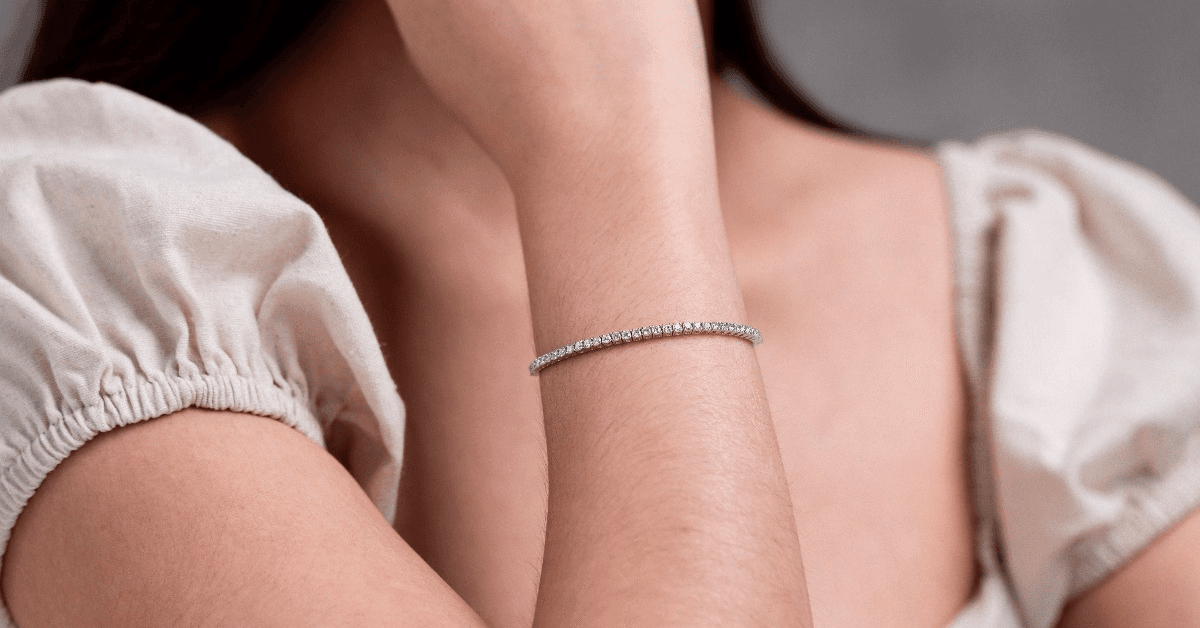
At its heart, a classic tennis bracelet is a continuous line of identically sized stones set in a flexible chain. Within that simple idea, there’s plenty of variety:
A. Setting style. Four-prong settings lift the diamonds high, maximizing sparkle and light. Bezel settings wrap each stone in a thin band of metal, offering more protection and a sleeker look. Illusion settings make stones appear larger by surrounding them with a polished metal edge.
B. Stone shape. Round brilliant diamonds are the traditional choice and offer the most fire. Oval, emerald, and princess cuts bring a more modern, architectural feel.
C. Width and carat weight. A delicate bracelet with smaller stones feels refined and understated. A bolder one with larger stones makes a statement. As a rough guide, total carat weights between 1 and 3 carats suit daily wear, while 5 carats and above lean toward special occasions.
D. Metal. Platinum and white gold provide a cold appearance. Yellow gold feels warm and timeless. Rose gold adds a soft, romantic tone that flatters many skin tones.
Brands like Michael Trio offer tennis bracelets across these styles, which makes it easier to compare options side by side and see what feels like “you.”
Choosing Between Natural and Lab-Grown Diamonds
This is one of the biggest questions buyers face today, and there’s no wrong answer. It boils down to your priorities and ideals.
Natural diamonds form over billions of years deep within the earth. Many buyers love their rarity and the sense of history, and they’re often chosen for heirloom pieces meant to be passed down.
Lab-grown diamonds are real diamonds with the same chemical, physical, and optical properties as natural ones. The difference is origin: they’re grown in a controlled environment over a few weeks. They typically cost significantly less than natural stones of similar quality, which means you can often get a larger or higher-quality bracelet for the same budget.
A few things to weigh:
- Budget: Lab-grown stones let your money go further, especially on a piece with dozens of diamonds.
- Resale value: Natural diamonds have historically held value better, though no diamond should be bought purely as an investment.
- Sourcing preferences: Some buyers choose lab-grown for its more predictable supply chain and lower environmental footprint, while others prefer the tradition of natural stones.
Whichever you choose, look for a bracelet with consistent stones. Because a tennis bracelet is a continuous line, matching color and clarity across every diamond matters more than it does in a single-stone ring. Ask about grading and certification, and read return policies carefully.

Best Tennis Bracelets for Everyday Wear
If you plan to wear your bracelet most days, think comfort and durability first.
- Choose a slimmer profile
A bracelet with stones around 2 to 3 mm sits close to the wrist and won’t snag on sleeves or catch on keyboards. It stacks well with a watch, too.
- Look for secure settings
Bezel and low-profile settings protect the diamonds from knocks. Prongs are beautiful but can catch on fabric over time, so check them periodically.
- Mind the clasp
A box clasp with a safety latch is your best friend. Nothing ruins a day like discovering your bracelet slipped off in the car.
- Pick a forgiving metal
White gold and yellow gold in 14k are strong enough for daily life. Platinum is more durable still but comes at a higher price.
- Get the fit right
A tennis bracelet should be snug enough to stay in place but loose enough to move slightly. If you can fit one finger comfortably underneath, you’re in the right range. Too loose, and it can flip or snag.
For a go-to daily piece, a 1 to 2 carat bracelet in white or yellow gold is a safe, versatile pick. It adds polish to jeans and a blazer without feeling overdressed.

Styling a Tennis Bracelet for Special Events
This is where you can have fun. The same bracelet can feel completely different depending on how you wear it.
1) Weddings and formal events- Let the bracelet be the star. Pair it with simple studs or a slim pendant and skip competing wrist accessories. A slightly larger or higher-carat bracelet really shines here.
2) Date nights and dinners- Try stacking your tennis bracelet with a thin gold bangle or a delicate chain bracelet for a layered, effortless look. Keep the metals harmonious, or mix them deliberately for a modern touch.
3) Office and business settings- Keep it understated. A fine, slim bracelet looks polished against a crisp shirt cuff or a tailored sleeve.
4) Casual weekends- Don’t save it for “good” occasions. A tennis bracelet over a knit sleeve or next to a leather watch band adds a touch of luxury to the everyday.
5) Gifting moments- Anniversaries, milestone birthdays, graduations, and push presents are classic reasons to give one. Choose a style that matches the recipient’s existing jewelry, usually a quick glance at the metal they wear most tells you what you need to know.
One simple styling rule: let your bracelet and your neckline balance each other. Statement necklace? Keep the bracelet slim. Minimal neckline? Go bolder on the wrist.
How to Care for Your Bracelet
A tennis bracelet works hard, so a little care goes a long way.
- Clean it regularly
Soak the bracelet for 15 to 20 minutes in warm water with a few drops of mild dish soap. Gently brush with a soft toothbrush, paying attention to the undersides of the stones where lotion and oil collect. Rinse and pat dry with a lint-free cloth.
- Take it off for certain activities
Remove it before swimming, working out, cleaning, gardening, or applying lotion, perfume, or hairspray. Chlorine and harsh chemicals can dull metal over time, and impact can loosen stones.
- Store it properly
Keep it flat or in a soft-lined jewelry box, away from other pieces. Diamonds can scratch other jewelry, and loose chains can tangle or bend.
- Schedule check-ups
Have a jeweler inspect the clasp, safety latch, and settings once or twice a year. Catching a loose prong early is far cheaper than replacing a lost diamond.
- Insure it
For a piece you love, a rider on your home insurance or a dedicated jewelry policy offers real peace of mind.
Final Thoughts
The ideal tennis bracelet is the one you’ll actually wear. Start with how you live, choose a design and stone type that fit your budget and values, and prioritize comfort and secure construction. Whether you’re shopping for yourself or someone special, exploring the range at Michael Trio is a good way to compare styles, metals, and diamond options in one place.