

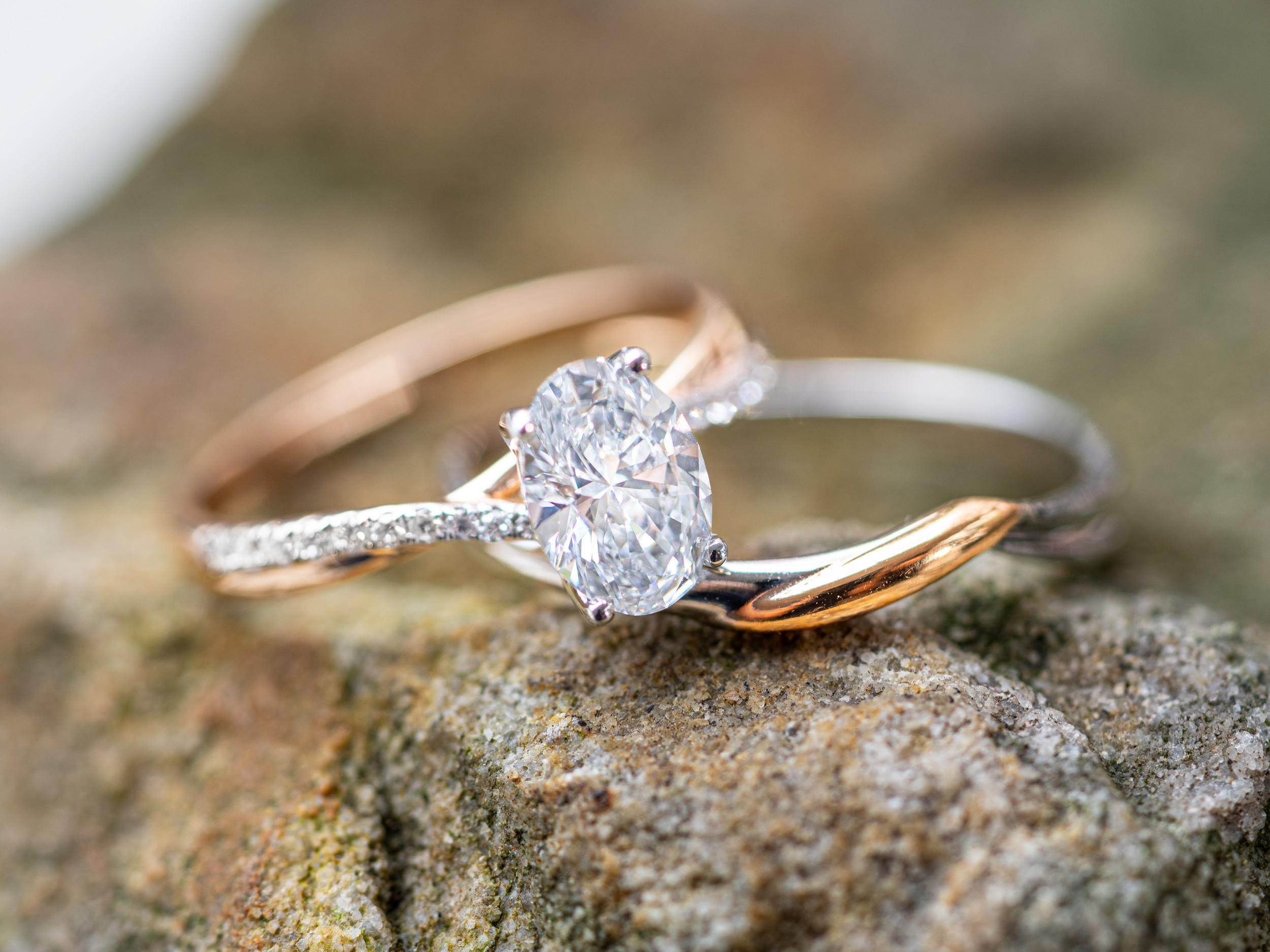
Lab-Grown Diamonds vs Natural Diamonds: 2025 Price Guide
Malaysia’s diamond market in 2025 is experiencing one of its biggest shifts in years. While natural diamonds have long been the default choice for engagement rings, wedding jewellery, and milestone gifts, consumers today—especially younger buyers—are exploring alternatives that offer more value, transparency, and sustainability.
This evolution has paved the way for the rise of lab-grown diamonds, also known as man-made diamonds. Backed by cutting-edge technology, competitive pricing, and ethical appeal, lab-grown diamonds are now widely available in Malaysia, with jewellers like Michael Trio offering certified, high-quality stones that rival traditional mined diamonds in both beauty and brilliance.
Whether you’re shopping for an engagement ring, upgrading your jewellery collection, or simply comparing options, understanding the differences between lab-grown and natural diamonds will help you make a confident purchase.
What are Lab-Grown Diamonds?
Lab-grown diamonds are real diamonds created in controlled laboratory environments that replicate the conditions under which natural diamonds form beneath the Earth’s crust.
CVD vs HPHT
Growing diamonds is done in 2 main ways:
- CVD (Chemical Vapour Deposition)
Carbon-rich gas is ionised and broken down, allowing carbon atoms to slowly accumulate on a diamond seed. CVD diamonds are known for excellent clarity and colour consistency.
- HPHT (High Pressure High Temperature)
This method mimics natural geological processes by exposing carbon to extremely high pressure and heat. HPHT often produces diamonds with exceptional brilliance and is also used to improve colour in certain stones.
Are They Real Diamonds?
Yes — lab-grown diamonds have the same chemical composition, hardness (10 on the Mohs scale), brilliance, and sparkle as natural diamonds. Unlike cubic zirconia or moissanite, they are not imitators. Gemological institutes, including IGI and GIA, certify lab-grown diamonds using the same standards: 4Cs (cut, colour, clarity, carat).
Environmental & Ethical Benefits
Lab-grown diamonds are increasingly favoured because they:
- Require less land disturbance
- Offer traceable, conflict-free origins
- Reduce environmental impact compared to mining
- Provide a sustainable alternative for eco-conscious buyers
With the push towards ethical luxury in Malaysia, this appeals strongly to Gen Z and millennial consumers — a trend clearly reflected in rising demand at stores like Michael Trio.

What Are Natural Diamonds?
Natural diamonds are formed deep within the Earth over billions of years, created from carbon exposed to immense heat and pressure far below the surface. They are brought closer to the Earth’s crust through volcanic eruptions and mined from various locations worldwide.
Rarity, Value & Perception
Natural diamonds carry a long-standing romantic appeal tied to rarity and heritage. Their value is influenced by:
- Geological scarcity
- High mining and labour costs
- Strong resale demand
- Emotional perception associated with “authenticity.”
Many traditional buyers still prefer natural diamonds for their historical significance and investment familiarity. Jewelers like Michael Trio offer both options to cater to different preferences.
Lab-Grown Diamonds vs Natural Diamonds: Key Differences
Appearance
Visually, both types are identical. Without specialised equipment, even experts cannot distinguish lab-grown from man-made diamonds. Both exhibit brilliant sparkle, fire, and scintillation.
Durability
On the Mohs hardness scale, both have a score of 10:
- They resist scratches
- They retain shine for decades
- They are suitable for daily wear
Durability is not a differentiating factor.
Certification
Diamonds that are natural or produced in a lab can be certified by:
- GIA
- IGI
- GCAL
Certificates specify the 4Cs and indicate whether the diamond is lab-grown or mined.
Resale Value
- Lab-grown diamonds: Lower resale value because supply is abundant and production continues to expand.
- Natural diamonds: Typically retain higher resale value due to scarcity and established global demand.
However, most buyers today prioritise beauty, size, and affordability over resale considerations — especially for engagement rings.
Sustainability
Lab-grown diamonds take the lead here. With lower environmental impact, no mining activity, and clear traceability, they offer a guilt-free purchase option. This aligns well with Malaysia’s growing sustainability movement, especially in urban centres like KL and Penang.
2025 Malaysia Price Comparison
One of the biggest reasons Malaysians are gravitating toward lab-grown diamonds in 2025 is the significant price difference. Lab-grown diamonds can cost 50–80% less than natural diamonds of similar quality — allowing buyers to get a larger or higher-grade stone within the same budget.
Lab-Grown Diamonds Price Chart (Malaysia 2025)
Average prices for IGI-certified stones:
| Carat Size | Price Range (RM) | Notes |
|---|---|---|
| 0.5 carat | RM 1,500 – RM 3,000 | Excellent value for engagement rings |
| 1.0 carat | RM 3,000 – RM 6,500 | Most popular size among Malaysians |
| 2.0 carat | RM 9,000 – RM 15,000 | Affordable luxury, stunning presence |
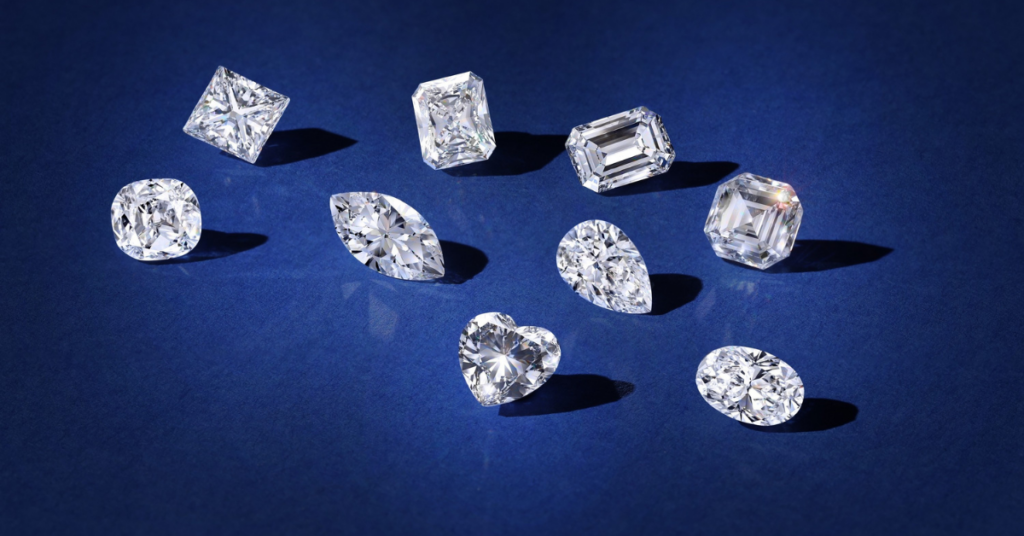
At Michael Trio, customers can customise settings and choose from a wide range of shapes — from round and oval to emerald and princess cuts.
Natural Diamonds Price Chart (Malaysia 2025)
GIA-certified natural diamond average pricing:
| Carat Size | Price Range (RM) | Notes |
|---|---|---|
| 0.5 carat | RM 4,000 – RM 7,000 | Higher cost due to rarity |
| 1.0 carat | RM 10,000 – RM 18,000 | Premium pricing for popular sizes |
| 2.0 carat | RM 35,000 – RM 60,000 | Significant jump because of limited supply |
Natural diamonds maintain premium pricing because geological formation cannot be replicated in supply volume.
Price Comparison Summary (0.5ct / 1ct / 2ct)
| Carat Size | Lab-Grown (RM) | Natural (RM) | Price Difference |
|---|---|---|---|
| 0.5 ct | ~RM 2,000 | ~RM 5,000 | ≈ 60% cheaper |
| 1.0 ct | ~RM 4,500 | ~RM 14,000 | ≈ 65% cheaper |
| 2.0 ct | ~RM 12,000 | ~RM 45,000 | ≈ 73% cheaper |
For the same budget, a buyer might:
- Choose a larger stone,
- Upgrade to better colour/clarity, or
- Invest in a premium setting, such as a halo or pavé ring.
This value advantage explains why lab-grown diamonds now account for a significant share of Michael Trio’s engagement ring sales in Malaysia.
Which Should You Buy?
For Engagement Rings
Lab-Grown is ideal if you want:
- A larger diamond for the same budget
- Modern designs and customisation
- Sustainable and ethical sourcing
Natural is ideal if you want:
- A stone with rarity, tradition, and timeless value
- Better long-term emotional and resale significance
For Investment
- Natural diamonds hold value better due to scarcity.
- Lab-grown diamonds depreciate faster because the supply is increasing.
If investment matters, choose natural. If beauty and size matter more than resale, lab-grown wins.
For Design Flexibility
Lab-grown diamonds offer:
- Larger stones for halo, hidden halo, or multi-stone rings
- More freedom in matching side stones
- Budget room to upgrade metal (platinum/18K gold)
Designers at Michael Trio often recommend lab-grown if customising a bold, modern ring.
How to Verify Authenticity
Ensuring your diamond is genuine—lab-grown or natural—is essential.
Certification: IGI & GIA
Reputable diamonds always come with certification from:
- IGI (International Gemological Institute) – Popular for lab-grown grading
- GIA (Gemological Institute of America) – Trusted globally for natural diamonds
The certificate lists:
- Measurements
- 4Cs grading
- Diamond origin (lab-grown or natural)
- Laser inscription number
What to Look For
- Check the laser inscription under magnification
- Ensure the diamond matches the certificate
- Verify the report on the IGI or GIA website
- Buy from a reputable jeweller like Michael Trio, known for transparent grading and responsible sourcing
Best Lab-Grown & Natural Diamond Rings at Michael Trio
Michael Trio offers an impressive selection across both categories, combining craftsmanship with fair pricing.
Top Lab-Grown Picks
- Classic Solitaire Lab-Grown Ring (1ct)
Perfect for buyers seeking maximum sparkle at an accessible price.
- Lab-Grown Oval Hidden Halo Ring
Modern, elegant, and trendy for 2025 engagements.
- Petite Pave Lab-Grown Diamond Ring
Ideal for buyers who love delicate, feminine aesthetics.
Top Natural Diamond Picks
- Signature Natural Round Solitaire
Timeless and perfect for traditional engagements.
- Natural Cushion Halo Ring
Great for those who want a luxurious centre stone with added brilliance.
- Three-Stone Natural Diamond Ring
Often selected for anniversaries and milestone celebrations.
Customer Favourites
- 1.0–1.5ct lab-grown solitaires (best value range)
- Oval lab-grown engagement rings (trending worldwide)
- Natural 0.50–0.70ct solitaires (classic starter budget)
Michael Trio’s transparent pricing and online customisation tools make it easy to compare both options side-by-side.
FAQ – Lab-Grown Diamonds (Man-Made Diamonds)
Q1. Are lab-grown diamonds real diamonds?
Yes—same physical, chemical, and optical properties.
Q2. Do lab-grown diamonds last forever?
Yes—they are as durable as natural diamonds.
Q3. Do lab-grown diamonds test as real?
Yes—diamond testers detect them as real.
Q4. Why are lab-grown diamonds cheaper?
Due to controlled production and no mining costs.
Q5. Do lab-grown diamonds hold value?
They depreciate more than natural diamonds due to the increasing supply.
Q6. Are lab-grown diamonds certified?
Absolutely—typically by IGI or GIA.
Conclusion: Which Diamond Suits Your Lifestyle & Budget?
If you desire maximum size, ethical sourcing, and modern style, lab-grown diamonds offer unbeatable value in 2025. They’re perfect for engagement rings, custom designs, and buyers who want a bigger look without overspending.
If you prioritise rarity, heritage, investment value, and long-term tradition, natural diamonds remain the gold standard.
Either way, your choice should reflect what matters most—beauty, budget, meaning, or sustainability. With trusted jewellers like Michael Trio, you can explore both options confidently and find a diamond that complements your lifestyle for decades to come.