

916 vs 999 Gold Explained: Which Should You Buy in Malaysia?
Gold has long held a special place in Malaysian culture—valued not only as jewellery but also as a trusted store of wealth. From weddings and festive gifting to long-term savings, Malaysians often choose gold because it is tangible, timeless, and relatively stable compared to other investments.
When buying gold in Malaysia, two terms dominate the conversation: 916 gold and 999 gold. While both are considered high-quality, they serve very different purposes. Understanding the difference can help you make a smarter decision—whether you’re buying a ring, a bracelet, or gold for investment.
What Is 916 Gold?
Composition
916 gold contains 91.6% pure gold, with the remaining 8.4% made up of other metals such as copper or silver. This composition is equivalent to 22-karat (22K) gold, a popular standard in jewellery across Asia, including Malaysia.
Durability
Because it is mixed with other metals, 916 gold is stronger and more durable than pure gold. This added strength makes it more resistant to bending, scratching, and daily wear.
Common Uses
In Malaysia, 916 gold is widely used for:
- Rings
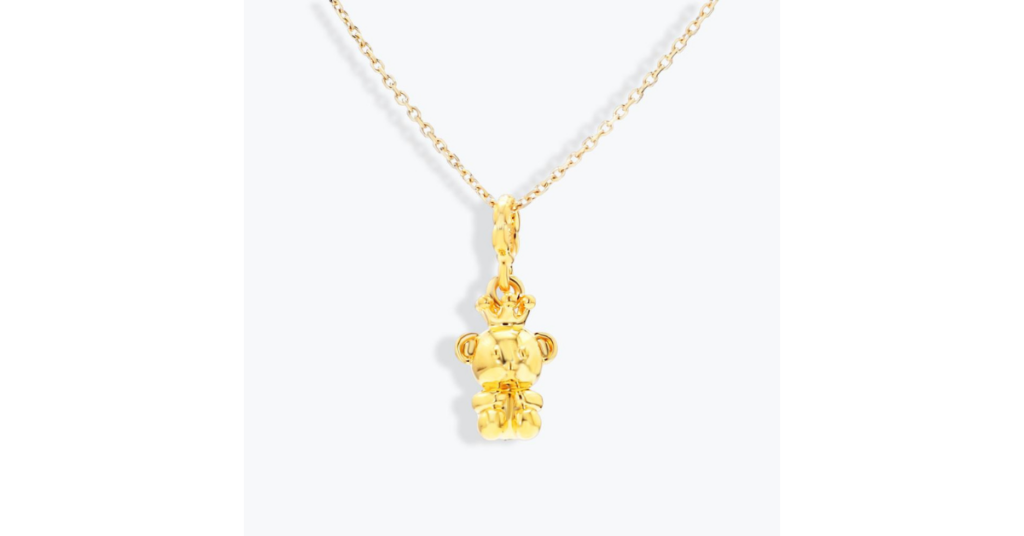
- Bracelets and bangles
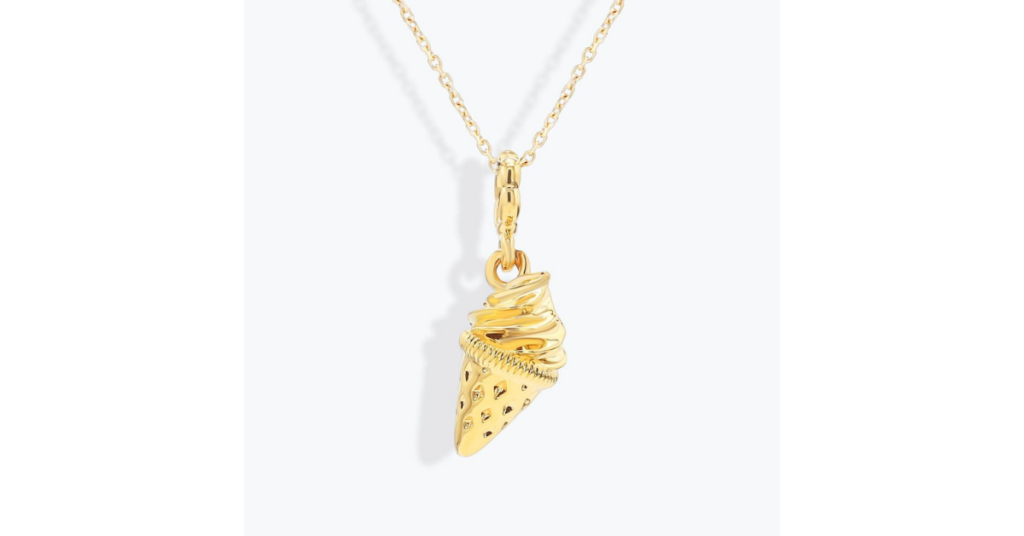
- Necklaces and chains
- Traditional and modern jewellery designs
Jewellers often prefer 916 gold because it allows for more intricate craftsmanship while maintaining a rich gold colour.
What Is 999 Gold?
Composition
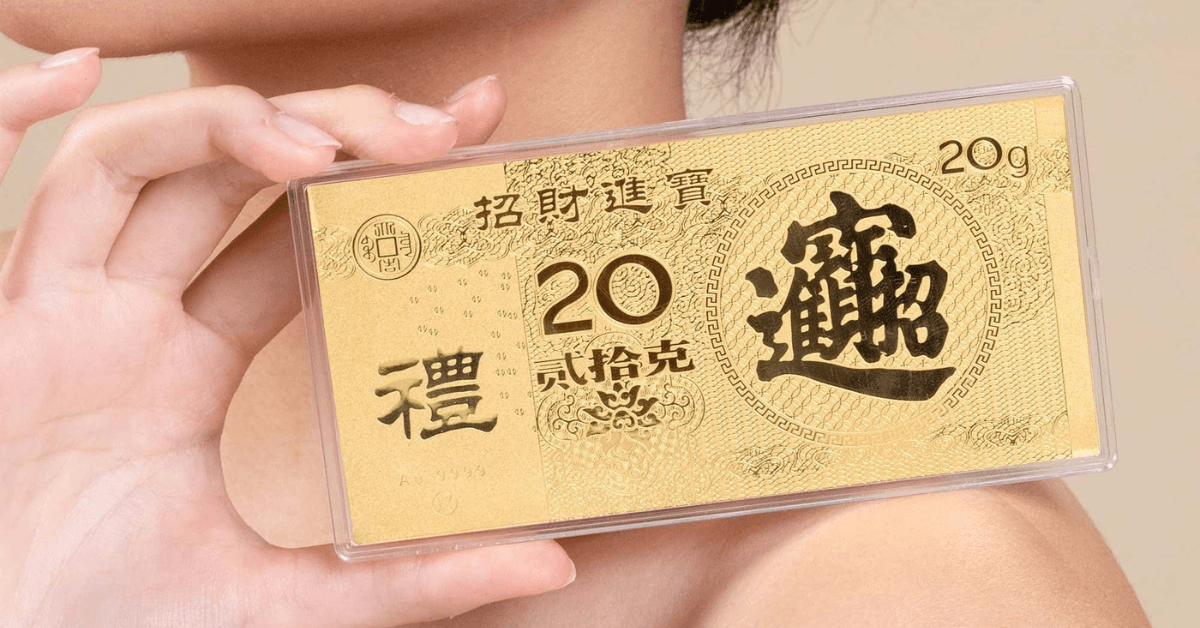
999 gold consists of 99.9% pure gold, making it the purest form of gold commonly available in the market. It is also known as 24-karat (24K) gold.
Purity (24K)
Due to its extremely high purity, 999 gold has a deep, bright yellow colour that many people associate with “true gold.” However, this purity also means it is very soft.
Uses
In Malaysia, 999 gold is mainly used for:
- Gold bars and coins
- Investment gold
- Fine or ceremonial jewellery (occasionally)
It is far more common to see 999 gold in investment products than in everyday jewellery.
916 vs 999 Gold: Key Differences
Purity
- 916 Gold: 91.6% gold (22K)
- 999 Gold: 99.9% gold (24K)
999 gold is purer, but purity alone does not always mean practicality.
Colour
- 916 Gold: Slightly less intense yellow, but still rich and warm
- 999 Gold: Bright, deep yellow with a glossy finish
Some buyers prefer the stronger yellow tone of 999 gold, while others like the subtler look of 916 gold jewellery.
Strength
- 916 Gold: Stronger and more suitable for jewellery
- 999 Gold: Very soft and easily bent or scratched
For rings and bracelets worn daily, strength is a major factor.
Maintenance
- 916 Gold: Easier to maintain, holds shape well
- 999 Gold: Requires careful handling and storage
999 gold jewellery can lose shape over time if worn frequently.
Investment / Resale Value
- 916 Gold: Good resale value, but includes workmanship costs
- 999 Gold: Higher resale value per gram, closely tracks gold market prices
For pure investment purposes, 999 gold is usually preferred in Malaysia.
Which Should You Buy?
For Jewellery
If you’re buying gold jewellery in Malaysia—especially for weddings, gifting, or fashion—916 gold is the better choice. It offers:
- Better durability
- Greater design flexibility
- Long-lasting wear
Most Malaysian jewellers recommend 916 gold for rings, chains, and bangles because it balances beauty and practicality.
For Long-Term Investment
If your primary goal is wealth preservation or investment, 999 gold is ideal. It is:
- Closer to international gold prices
- Easier to sell or trade
- Preferred for gold bars and coins
Many Malaysians buy 999 gold as part of their long-term savings or hedge against inflation.
For Daily Wear
For everyday use, 916 gold wins clearly. Daily wear jewellery needs strength, and pure 999 gold is simply too soft for constant handling. A 916-gold ring or bracelet will maintain its shape and appearance far better over time.
Price Comparison — Malaysia 2025
Gold prices fluctuate daily. Below are representative rates and retail quotes observed on 15 December 2025 to give you a realistic snapshot (always check live rates before you buy):
- Market/spot and bank quotes: Kijang/spot prices and bank counters showed 24K (≈999) trading near RM 579 per gram (selling price shown by Maybank on 15 Dec 2025).
- Retail shop/retailer examples: Consumer price listings vary by retailer and premium. Public retail listings and live-price shops reported 999 retail prices between ~RM 579–RM 640 per gram, and 916 retail prices around RM 545–RM 595 per gram, depending on shop premium and making charges. (examples: Good Returns, buysilvermalaysia, local shops).
Quick takeaway: 999 commands a premium over 916 — often a difference of a few dozen ringgit per gram at retail. The exact spread depends on shop mark-up, design (heavy/stone set), and whether you’re buying plain bullion or finished jewellery.
How to identify authentic gold
Hallmarking
- Look for clear hallmarks: 999, 24K, 916, 22K, plus manufacturer’s mark or assay office stamp. In Malaysia, reputable jewellers stamp karat/purity and maker’s ID.
- Kijang Emas and bank counters (Maybank etc.) publish daily official rates — useful to check spot reference before bargaining.
Practical tips for Malaysian shoppers
- Buy from accredited jewellers — established shops, bank counters or licensed bullion dealers.
- Ask for a receipt and clear stamp showing purity and gross weight. Keep receipts for buybacks/exchanges.
- Compare “retail per-gram” not just spot — jewellery price = spot × weight + making charge + GST/VAT (if applicable) + retailer premium.
- Test carefully if buying secondhand — acid tests, XRF tests (in some shops) or insist on verified documentation. Avoid street sellers without proof.
Popular 916 & 999 designs at Michael Trio
At Michael Trio we see these favourites among Malaysian buyers:
- 916 favourites: bangles, wedding bands, daily chains and vintage-style pieces — designed to withstand everyday wear with secure prongs and robust settings.
- 999 favourites: investment bars, simple pendant pieces and traditional heritage designs (gold coins/pendants often kept as keepsakes or for gifting).
(If you want, I can write suggested product blurbs or short descriptions for 3–5 Michael Trio pieces — tell me which styles you want highlighted.)
Care & resale considerations
- Resale: 999 jewellery usually fetches closer to spot (less alloy), but resale also depends on design (stones, workmanship) and shop policies. Many jewellers offer buyback prices lower than retail — always ask the buyback policy.
- Care: Store 999 items separately (softer metal), avoid harsh chemicals; 916 can tolerate everyday use better.
FAQ — 916 vs 999 Gold
Q: Is 916 “less real” than 999?
A: No — both contain real gold. 999 is purer; 916 is alloyed for strength.
Q: Which holds value better?
A: For pure spot exposure, 999 bullion/bars track market price more closely. For wearable jewellery, 916 items may retain more practical value (less repair, longer wear).
Q: Should I buy 999 for an everyday ring?
A: Not usually — because 999 is softer and more prone to damage. Choose 916 for daily rings.
Q: Where should I check live rates before buying?
A: Use bank counters (Maybank Kijang prices), reputable live-price sites, and your jeweller’s daily rate board to compare.
Final Recommendation
- Choose 916 (22K) for most jewellery purchases in Malaysia — it balances beautiful colour with the durability needed for everyday wear.
- Choose 999 (24K) if you want pure-gold bullion, a commemorative piece, or a jewellery item primarily held as an investment and you’re careful with handling.
Both types have their place, and neither is “better” in every situation. By understanding the differences in purity, strength, and purpose, you can buy gold with confidence—whether for style, tradition, or financial security.